Source penis trainer male masturbator for Training, Massage, and Stamina
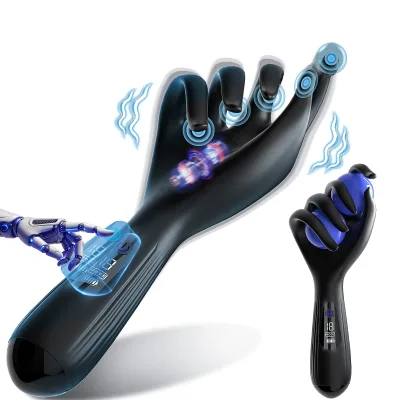
Explore 30 verified options for the penis trainer male masturbator designed for training, massage, and stamina enhancement. Buyers can compare specifications, materials, and prices from suppliers in Guangdong, China to find the right fit for their needs; compare the available evidence and request quotations based on your requirements.
Key considerations
Products List
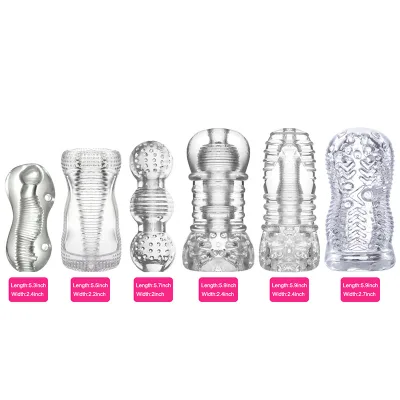
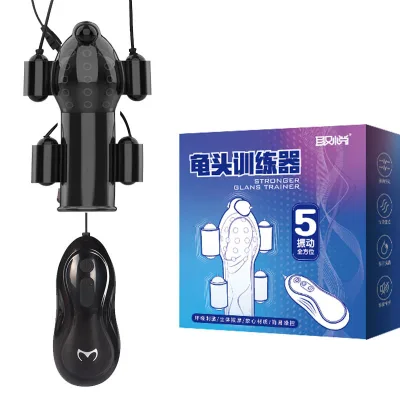
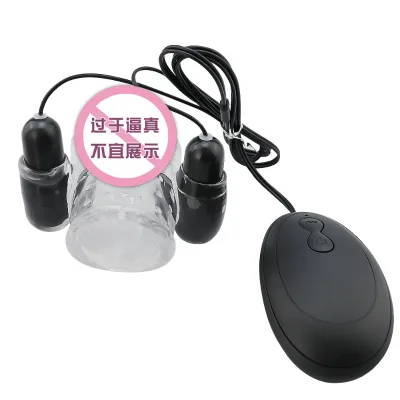


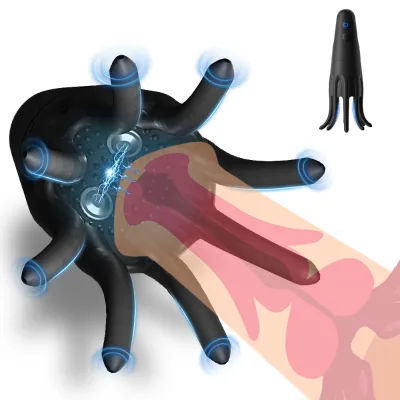
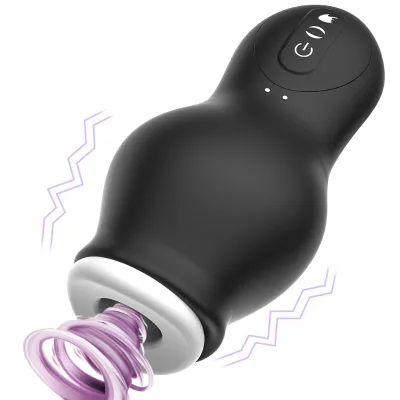
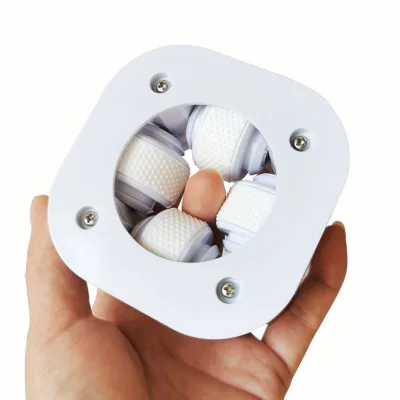
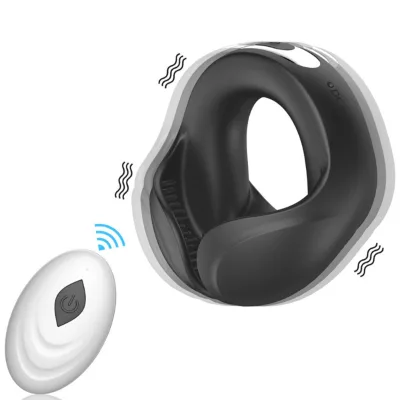
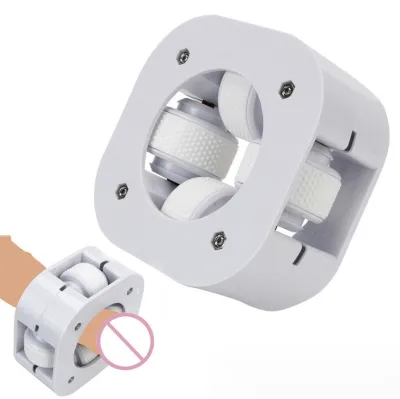
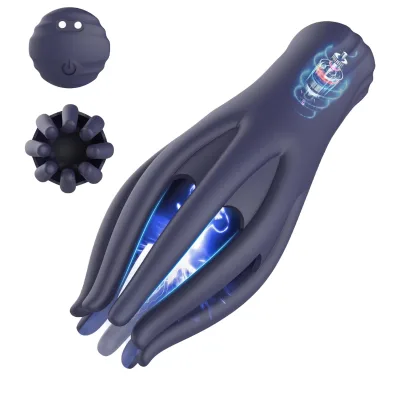
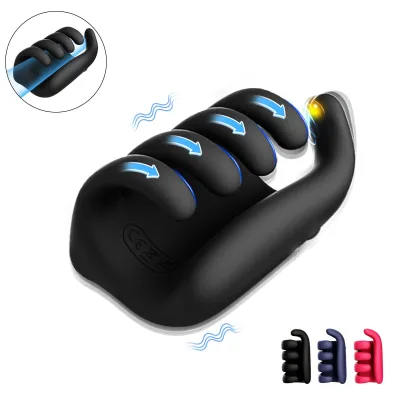


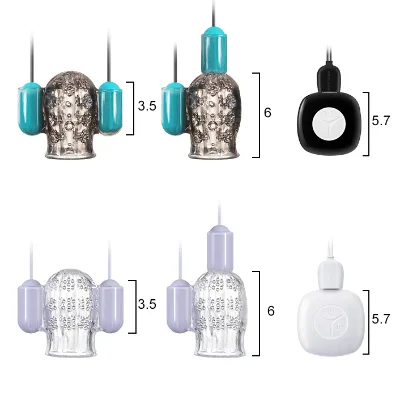
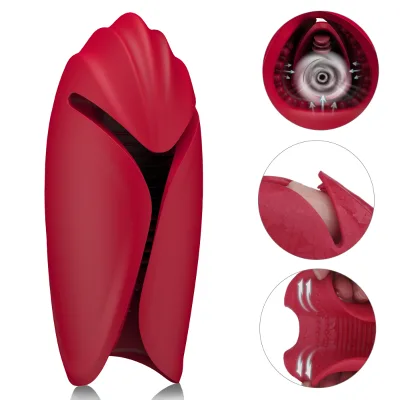
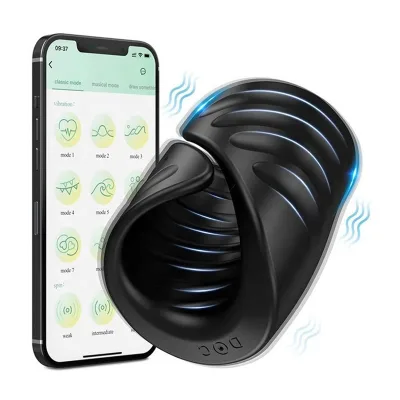
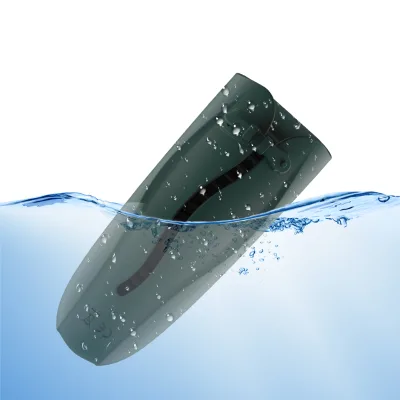
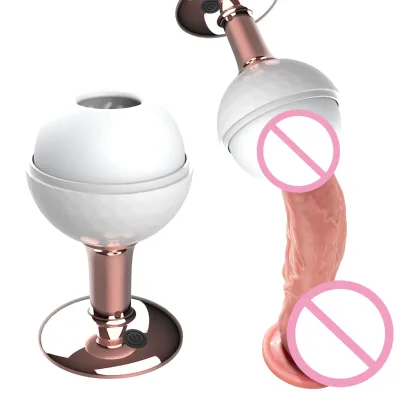
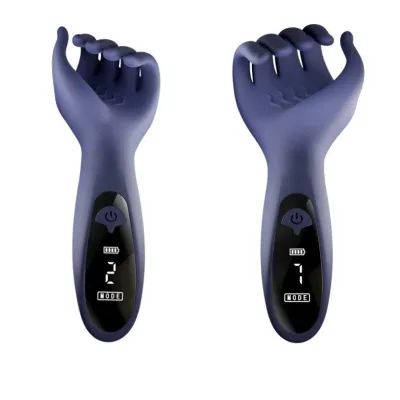
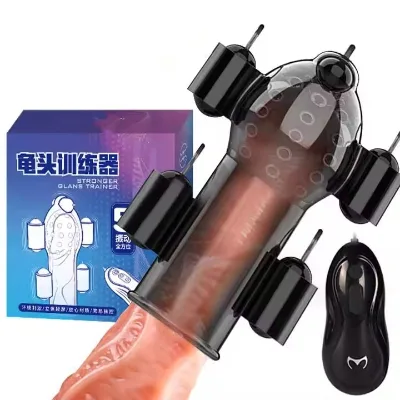
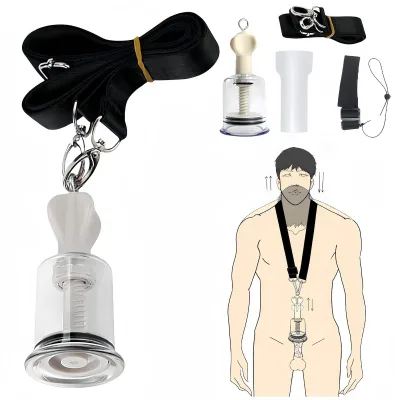
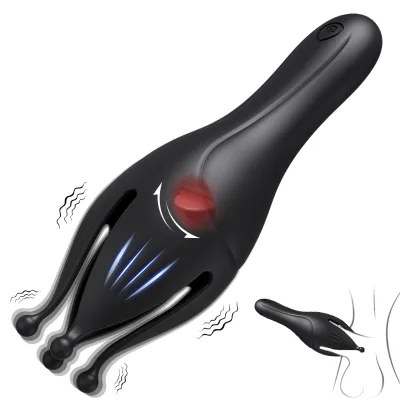
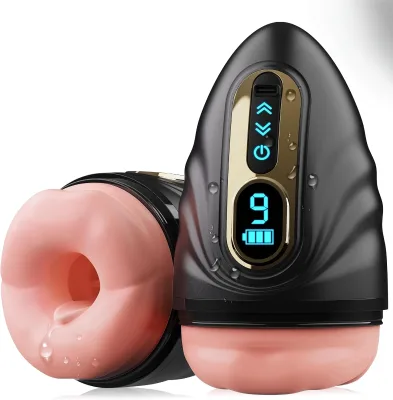
Comprehensive Sourcing Guide
Penis Trainer Male Masturbator Sourcing Guide
Sourcing penis trainers and male masturbators requires a nuanced understanding of material safety, functional design, and regulatory compliance. These intimate wellness products serve specific physiological and recreational purposes, ranging from stamina training to sensory enhancement. Buyers must navigate a market where product claims often outpace verified performance data. The core challenge lies in distinguishing between generic, low-cost items and those that offer genuine durability and user safety. This guide provides a structured approach to evaluating suppliers, verifying technical specifications, and ensuring that procurement decisions align with both legal requirements and end-user expectations.
The procurement landscape for these devices is characterized by a wide variance in quality and origin. Most manufacturers are based in Guangdong, China, leveraging established supply chains for silicone, TPE, and electronic components. While this region offers competitive pricing and rapid prototyping capabilities, it also necessitates rigorous due diligence. Buyers must prioritize suppliers who demonstrate transparency in their manufacturing processes and provide clear documentation regarding material composition. Understanding the distinction between different product types, such as non-electronic trainers versus USB-rechargeable vibrators, is essential for selecting the right inventory mix for your target market.
Product Scope and Observed Listing Signals
The observed product range includes diverse categories such as TPE-based masturbators, silicone and ABS penis glans vibrators, and stamina trainers. Listings indicate a price range of $0.30 to $21.94 USD, reflecting significant variation in complexity and material quality. Basic models, often made from TPE, focus on realistic texture and durability, while advanced units incorporate electronic features like vibration frequencies and USB rechargeability. The minimum order quantities (MOQ) typically range from 1 to 100 pieces, allowing for flexible inventory management for small to medium-sized buyers. This variability suggests a market segmented by both price sensitivity and feature demand.
Key attributes observed in listings include waterproof capabilities, with some products claiming 100% waterproof status while others offer daily waterproof protection. Materials vary between soft TPE for realistic feel and silicone-plus-ABS combinations for electronic durability. Weight ranges from 150g to 200g, impacting shipping costs and user experience. Brands are frequently listed as "unbrand" or "no brand," indicating a strong private-label opportunity for retailers. Keywords such as "male pussy cup" and "glans trainer" highlight specific marketing angles. Buyers should verify these claims against physical samples, as listing descriptions may not always reflect the final product's performance or safety standards.
Technical Specifications to Verify
Technical verification begins with material composition, as this directly impacts safety and longevity. Products listed as TPE require testing for phthalate-free certification, while silicone-ABS models need verification of electronic component quality. Buyers must confirm the power source for electronic devices, such as USB rechargeability, and assess battery life and charging port durability. Noise levels are another critical specification, with some models advertised at 40 dB, which is crucial for user discretion. Frequency settings, ranging from 7 to 10 vibrations, should be tested for consistency and intensity. These technical details define the user experience and must be validated before bulk ordering.
Dimensional accuracy and packaging specifications are equally important for logistics and retail presentation. Single package sizes vary, with some units measuring 18x7x4 cm and others up to 18x16x8 cm. These dimensions affect carton quantities and shipping volume, directly influencing landed costs. Weight variations, from 0.1 kg to 0.31 kg gross weight, must be accounted for in freight calculations. Buyers should request detailed packing lists to ensure that color boxes and protective materials meet retail standards. Additionally, verifying the model numbers, such as AS-MB014 or AS-PG101, ensures that the supplier delivers the exact specifications agreed upon, preventing discrepancies in product features or performance.
Compliance and Safety Documentation
Regulatory compliance is non-negotiable for intimate wellness products, particularly when entering markets like the European Union or North America. Listings often cite CE and ROHS certifications, which indicate adherence to electrical safety and hazardous substance restrictions. Buyers must verify the validity of these certificates through the issuing bodies, as counterfeit documentation is a known risk in this sector. For products containing TPE or silicone, additional material safety data sheets (MSDS) and biocompatibility tests may be required to prove the absence of harmful chemicals. Ensuring that all electronic components meet local electrical standards is essential to avoid customs seizures or legal liabilities.
Beyond certifications, buyers should request detailed product safety reports, including drop tests, waterproof integrity checks, and material toxicity assessments. These documents provide evidence that the products have undergone rigorous quality control. For electronic devices, battery safety certifications, such as UN38.3 for lithium-ion batteries, are critical for safe transportation. Buyers must also ensure that marketing claims, such as "100% waterproof," are supported by test data. Without proper documentation, even high-quality products can pose significant legal and reputational risks. Establishing a clear compliance framework with suppliers helps mitigate these risks and ensures that all imported goods meet local regulatory requirements.
Cost Drivers and Commercial Terms
Cost structures in this category are influenced by material choice, electronic complexity, and order volume. Basic TPE masturbators are generally lower in cost, while USB-rechargeable vibrators with multiple frequencies command higher prices. The observed price range of $0.30 to $21.94 USD reflects this disparity. Buyers should negotiate based on tiered pricing, leveraging larger order volumes to secure better margins. MOQs starting at 10 pieces allow for initial testing, but scaling up to 100 or more units can significantly reduce per-unit costs. Understanding these cost drivers helps in budgeting and forecasting profitability for different product lines.
Commercial terms, including payment methods and lead times, vary among suppliers. Buyers should prioritize suppliers who offer secure payment terms, such as escrow or letter of credit, to protect against fraud. Lead times can impact inventory turnover, so it is essential to confirm production schedules before placing orders. Additionally, buyers should inquire about customization options, such as OEM branding or packaging design, which can add value but may increase costs. Clear communication regarding shipping terms, such as FOB or CIF, ensures that all logistics costs are accounted for. Establishing strong commercial relationships with reliable suppliers can lead to better pricing and more favorable terms over time.
Supplier Qualification and Quality Control
Supplier qualification involves assessing manufacturing capabilities, quality management systems, and past performance. Buyers should request factory audits or third-party inspection reports to verify production standards. Suppliers with established quality control processes are more likely to deliver consistent products. It is crucial to check for OEM experience, as this indicates flexibility and professionalism. Suppliers who welcome customization and provide detailed product specifications are generally more reliable. Building a relationship with a supplier who prioritizes quality over speed ensures long-term success and reduces the risk of defective products.
Quality control measures should include pre-production samples, in-line inspections, and final random inspections. Buyers must define clear acceptance criteria for product defects, such as material imperfections or electronic failures. Implementing a robust QC plan helps identify issues early in the production process, allowing for corrective actions before shipment. Regular communication with suppliers regarding quality expectations is essential. Additionally, buyers should consider hiring third-party inspection services for large orders to ensure compliance with agreed-upon standards. A proactive approach to quality control minimizes returns and enhances customer satisfaction, protecting the brand's reputation in the competitive intimate wellness market.
Long-Term Procurement Checks
Long-term procurement success depends on continuous monitoring of supplier performance and market trends. Buyers should regularly review supplier metrics, such as on-time delivery rates, defect rates, and responsiveness to issues. Establishing key performance indicators (KPIs) helps track supplier reliability and identify areas for improvement. Regular audits and feedback sessions with suppliers foster a collaborative relationship focused on quality and efficiency. Staying informed about regulatory changes and market demands ensures that product offerings remain compliant and relevant. Adapting to these changes helps maintain a competitive edge and supports sustainable business growth.
Product lifecycle management is also critical, as consumer preferences evolve over time. Buyers should monitor sales data and customer feedback to identify popular features and areas for improvement. This insight can guide future product development and sourcing decisions. Additionally, diversifying the supplier base reduces dependency on a single source and mitigates supply chain risks. Regularly evaluating alternative suppliers ensures access to the best quality and pricing. By maintaining a strategic approach to procurement, buyers can build a resilient supply chain that supports long-term business objectives and delivers value to end-users.
FAQs
What materials are used in penis trainer male masturbator products?
These products typically use body-safe TPE for insertive masturbator cups and silicone combined with ABS for glans trainer devices. TPE offers a soft, realistic feel, while silicone plus ABS provides durability for vibrating trainer units. Listings also highlight non-latex construction for sexual wellness items. When comparing options, confirm the exact material specification with each manufacturer, since material composition can vary between different models and product lines.
Can penis trainer male masturbator products be customized for my brand?
Yes, customization is available and OEM cooperation is welcomed on these listings. Buyers can typically request brand names, packaging such as color boxes, and specification adjustments depending on order volume. Custom projects usually require discussing artwork, logo placement, and quantity commitments directly with the factory. Start by sharing your branding requirements and target order size so the supplier can confirm feasibility, sample costs, and any minimum quantity thresholds for customized production.
What certifications do these penis trainer male masturbator products carry?
The listed products carry CE and ROHS certification, which covers safety and hazardous substance restrictions for electronic items in many markets. Certification is especially relevant for vibrating glans trainers with USB rechargeable batteries. Always request current, valid certificates from the specific manufacturer before ordering, because certification scope can differ by model and factory. Ask whether test documentation applies to the exact model number you intend to purchase in bulk.
How many units is the minimum order for these products?
The observed minimum order quantity ranges from 1 piece for sampling up to 100 pieces, with one listed model showing an MOQ of 10 pieces. Small trial orders let you verify quality before committing to larger volumes. Keep in mind that MOQ often varies by model, customization level, and packaging choices. Confirm the exact MOQ for your chosen model and request sample units first to evaluate material quality and function.
What is the warranty for male masturbator and trainer devices?
One listed product includes a 1-year warranty, which typically covers manufacturing defects under normal use. Warranty terms can differ between models and factories, so request written warranty conditions before placing bulk orders. Clarify what the warranty covers, such as motor failures or material defects, and what it excludes, like wear on TPE sleeves. Also agree on how replacements or credits are handled for defective units discovered after shipment arrives.
How waterproof are these penis trainer and masturbator products?
Listed products are described as 100% waterproof in one case and daily waterproof in another, so protection levels vary by model. Waterproof construction simplifies cleaning and allows use in the shower for fully sealed units. Before ordering, confirm the exact waterproof rating for your selected model, especially if your market expects submersible products. For vibrating glans trainers, also verify that charging ports are properly sealed to prevent water ingress during daily cleaning.